24/7 Fire Damage Restoration in Oklahoma City, Billed Directly to Your Insurer
A fire in Oklahoma City rarely ends when the trucks pull away. Thousands of gallons of hose water soak drywall, insulation and subfloors, and with summer dew points in the 70s, mold can start growing within 24 to 48 hours. Acidic soot from burned synthetics starts etching fixtures and corroding electronics within days. That's why we answer 24/7 and move fast. Our crews board up, tarp, extract water and stabilize your property right away, then bill your insurance company directly. You can focus on your family instead of chasing paperwork.
For more than 10 years, we've restored homes and businesses across the metro. That includes plaster-and-lath Craftsmans in Mesta Park and Heritage Hills, postwar brick ranches in Del City near Tinker AFB, and acreage homes in Choctaw hit by wind-driven grass fires. We know how balloon framing hides fire spread, how smoke moves through shared attics in apartment complexes, and what local permit offices and historic districts expect before a rebuild can start.
- ✓24/7 emergency response, 365 days a year
- ✓Direct insurance billing and adjuster coordination
- ✓Bonded and insured
- ✓More than 10 years restoring Oklahoma City properties
- ✓Serving a 20-mile radius around Oklahoma City
- ✓Financing available for deductibles and uncovered work
Request Your Free Estimate
No obligation. Fast, honest quotes.
Thank you — your request was sent!
A member of the Oklahoma City Fire Damage Restoration team will reach out shortly. Need help now? Call (405) 963-4140.
Why Fire Damage in Oklahoma City Needs a Fast, Local Response
Central Oklahoma stacks fire risks on top of each other: wind-driven grass fires, lightning, storm-damaged wiring and winter heating emergencies. Humid summers then speed up secondary damage. Here's why the response clock is shorter in the metro than in most places.
Wind, Drought and Humidity: A Tough Combination
Oklahoma City gets about 36 inches of rain a year, but it arrives in bursts, with dry, windy stretches in between. From late winter through early spring, dormant prairie grass, eastern redcedar, low humidity and south winds gusting 40–60+ mph push grass fires toward homes. The April 2009 Midwest City/Choctaw fires and the March 2025 outbreak that destroyed homes in Choctaw and Harrah showed how fast that can happen. Spring supercells bring lightning that starts attic fires, and hail and tornadoes damage wiring. In summer, highs often top 100°F during drought years, and once firefighting water soaks a home, dew points in the 70s mean mold can start within 24–48 hours. Ice storms like October 2020 and the February 2021 deep freeze also bring a spike in space-heater, fireplace and generator fires.
A Housing Stock That Burns, and Recovers, in Different Ways
The metro's homes span a century. Pre-WWII houses in Heritage Hills, Crown Heights and the Paseo have balloon framing that lets fire climb wall cavities unseen, plaster that soaks up smoke odor, and sometimes knob-and-tube wiring. Postwar ranches in Del City, Midwest City, Warr Acres and Bethany may have Federal Pacific or Zinsco panels, popcorn ceilings and asbestos-containing materials. Newer homes in Edmond, Moore, Yukon and Mustang are full of synthetic furnishings that produce heavy, acidic soot, and their open floor plans let smoke reach every room. Acreage properties in Choctaw and Newcastle add wood stoves, propane tanks and long distances to the nearest hydrant. Apartment complexes, motels along I-35 and I-40, and Bricktown lofts face smoke moving into neighboring units.
Permits, Historic Districts and Oklahoma Insurance Rules
Oklahoma has no statewide fire restoration license, so contractors register city by city. Electrical, plumbing and mechanical repairs require CIB-licensed tradespeople, and rebuilding framing, wiring, gas lines or HVAC requires permits through OKC Development Services or the suburb's own permit office. Many jurisdictions require a gas line pressure test before Oklahoma Natural Gas restores service. Pre-1980s materials need asbestos handling under Oklahoma Department of Labor and EPA NESHAP rules, and pre-1978 homes fall under EPA lead-safe (RRP) practices. Historic districts require a Certificate of Appropriateness for exterior work, Nichols Hills has its own standards, and HOAs in Edmond, Norman and NW OKC control exterior materials. Insurance policies usually also require you to take reasonable steps to prevent further damage, so delaying board-up or water extraction can put part of your claim at risk.
Who We Serve Across the Metro
With roughly 1.4 million people in the metro, needs vary a lot. Military families near Tinker AFB need dependable service and help with insurance. Nichols Hills and Edmond homeowners need careful cleaning of art, antiques and fine finishes. Moore families have lived through repeated disaster claims and know what good documentation looks like. Landlords and property managers with rentals in Norman and south OKC need fast turnovers and clear reports. Whoever you are, the first 48 hours matter most.
Common Fire Damage Problems in Oklahoma City Homes and Businesses
Each fire leaves a different mix of damage, depending on the building, the season and how much water was used to put it out. These are the problems we see most often across the metro, from minor smoke film to structural emergencies, and why they happen here.
Firefighting Water Damage and Rapid Mold Growth Emergency
Water left behind by fire hoses and sprinklers soaks drywall, insulation, carpet pad, subfloors and crawlspaces. Without professional drying, it leads to swelling, delamination and mold colonies that can spread through the structure within one to two days.
Why it's common hereFirefighters may pour thousands of gallons into a single house fire. Much of the metro is built on slab-on-grade foundations where water wicks into bottom plates and wall cavities, and older homes have crawlspaces that hold moisture. Add humid summers with dew points in the 70s and expansive red clay soils that stay saturated, and mold has ideal conditions. Insurers also expect prompt mitigation under Oklahoma policies, so delays can complicate coverage.
Signs you'll notice- Standing water or soaked carpet after the fire
- Musty odor developing within a day or two
- Drywall swelling, bubbling or crumbling at the base
- Cupping or buckling hardwood floors
- Damp insulation in attics or crawlspaces
- Visible spotting on walls or baseboards
Common in slab-on-grade ranches in Del City, Midwest City and south OKC, in crawlspace homes in Edgemere Park and the Paseo, and in any summer fire when humidity is high.
Our fix: Immediate extraction, moisture mapping, removal of unsalvageable wet materials, commercial dehumidification and air movement, and documented dry-out readings for your adjuster.
Acidic Soot Corrosion Serious
Soot from burning plastics, foam and synthetic fabrics is oily and acidic. It sticks to surfaces and starts chemically etching metals, glass, grout, countertops and electronics, so items that could be cleaned early may need replacing a week later.
Why it's common hereThe tract and semi-custom homes built in Edmond, Moore, Norman, Yukon and Mustang from the 1980s on are filled with synthetic furniture, carpet and electronics. When those burn, they create heavy protein and synthetic soot residues. Open floor plans let that soot settle across the whole house, not just the burned room. Oklahoma's summer heat and humidity speed up the chemical reaction, which shortens the window for saving fixtures and finishes.
Signs you'll notice- Black, greasy film on walls and ceilings
- Tarnished faucets, hinges and light fixtures
- Yellowing or pitting on bathtubs and tile
- Cloudy or etched glass and mirrors
- Electronics that malfunction days after the fire
- Smudges that smear when wiped
Most common in Edmond, Deer Creek and Gaillardia-area homes with open layouts, and in kitchen fires anywhere in the metro, since cooking is the leading cause of house fires year-round.
Our fix: Fast dry-sponge and chemical soot removal matched to residue type, neutralizing cleaners on metals and stone, and electronics triage before corrosion spreads.
Wildfire Smoke Infiltration in Standing Homes Moderate
Homes the flames never touched can still be filled with smoke and fine ash. Wind pushes smoke through soffit vents, attic openings, window gaps and HVAC intakes, leaving odor, residue and fine particulate throughout the home.
Why it's common hereLate-winter and spring grass fires in central Oklahoma are driven by 40–60+ mph wind gusts. When fires like the 2009 Midwest City/Choctaw blazes or the March 2025 outbreak hit, dozens of homes nearby get heavy smoke exposure without burning. Attics in older ranches have open soffit vents, and HVAC systems keep pulling smoky air inside. Because local crews and adjusters get overwhelmed after these events, these homes often wait too long for treatment.
Signs you'll notice- Persistent campfire smell indoors
- Fine gray ash on window sills and furniture
- Soot lines around vents and returns
- Discolored attic insulation
- Odor that gets stronger when the HVAC runs
- Irritated eyes or throats inside the home
Concentrated in Choctaw, Harrah, Newcastle, east Edmond and the Norman/Little Axe area, especially homes with cedar stands nearby and acreage properties farthest from hydrants.
Our fix: HVAC and duct cleaning, attic insulation assessment, HEPA cleaning of surfaces, and odor neutralization using thermal fogging, hydroxyl or ozone treatment.
Multi-Unit Smoke Migration Moderate
Smoke and odor moving from one unit into neighboring units through shared attics, walls, plumbing chases and ventilation. One fire can turn into damage in several units, each with its own tenant, contents and insurance questions.
Why it's common hereThe metro has many large apartment complexes, older motels and strip centers along I-35, I-40 and I-240, plus converted lofts in Bricktown and Midtown. Many older buildings have continuous attic spaces with few fire separations. Smoke follows air pressure differences into units that never saw flame, and landlords need clear, unit-by-unit documentation to sort out who pays for what.
Signs you'll notice- Smoke odor in units next to the fire unit
- Soot along shared walls and ceiling lines
- Residue at outlets and plumbing penetrations
- Tenant complaints after the fire is out
- Discoloration in shared hallways or attics
Typical in duplexes and fourplexes in Norman's OU-area rentals, in Bricktown and Midtown lofts, and in older motels and retail centers along the interstate corridors.
Our fix: Unit-by-unit assessment, containment and negative air, sealing pathways, cleaning and deodorization, and documentation for owners, tenants and multiple insurance carriers.
Light Smoke Odor and Residue Minor
Small contained fires, such as stovetop flare-ups, a smoking appliance or a fireplace backdraft, that leave a light film and lingering odor. It's easy to dismiss, but untreated residue keeps releasing odor and slowly discolors surfaces.
Why it's common hereCooking is the leading cause of house fires year-round in the metro, and winter fireplace use goes up during cold snaps. Many of these small incidents never get reported. Plaster walls in older OKC homes absorb odor, and HVAC systems spread fine residue into every room, so a small fire can affect the whole house.
Signs you'll notice- Lingering smoke smell days later
- Faint gray film on cabinets or ceilings
- Darkened areas above the stove or fireplace
- Odor that comes back on humid days
- Discolored HVAC filters
Seen everywhere from Lake Hefner-area homes to Quail Creek and Moore, especially after holiday cooking and winter fireplace use.
Our fix: Targeted surface cleaning, HVAC filter and duct check, and odor neutralization. These are often handled in one or two days.
Fire, Smoke and Water Restoration Services
Fire damage is never just one problem. Our services cover the first emergency call through the final rebuild, so one team handles stabilization, cleaning, drying and reconstruction, with one point of contact for you and your insurance adjuster.
Fire Damage Restoration ⭐ Specialty
Complete fire recovery under one roof: emergency board-up and roof tarping, damage assessment, contents pack-out and inventory, cleaning, drying and rebuilding. We bill your insurance directly and keep your adjuster updated at every stage.
Our approachWe document everything with photos, moisture readings and line-item estimates in the format adjusters use. Then we stabilize the property, separate salvageable materials from losses, and follow a written scope so nothing gets missed or double-charged.
In Oklahoma City, OKAfter grass fires in Choctaw or Newcastle, we secure vacant homes against theft and the spring storms that often follow within days. In Nichols Hills and Edmond, our contents work includes careful inventory of art, antiques and fine furnishings for your claim.
Best for: Homeowners, landlords and businesses facing a kitchen fire, an electrical fire, a lightning strike or a wildfire loss who want one accountable team from emergency to finished repairs.
Smoke Damage Remediation
We remove smoke residue and odor from structures, contents and HVAC systems, including in homes the fire never reached. The goal is to remove the source of the odor, not cover it up with fragrance.
Our approachHEPA air scrubbing, duct and HVAC cleaning, sealing of porous surfaces where needed, and odor neutralization using thermal fogging, hydroxyl generators or ozone. We choose the method based on the residue type and whether the home is occupied.
In Oklahoma City, OKWind-driven wildfire smoke packs attics and soffit vents across Choctaw, Harrah and east Edmond. Plaster walls in Mesta Park and Heritage Hills hold odor longer than drywall. We adjust treatments for both, along with multi-unit smoke in Bricktown and Midtown lofts.
Best for: Homes with lingering odor after a nearby wildfire, small kitchen fires, or smoke that moved into neighboring units of apartments, duplexes or strip retail.
Soot Removal & Surface Cleaning
We clean soot from walls, ceilings, cabinets, fixtures, flooring and belongings before acidic residues cause permanent etching, tarnish or corrosion. Fast cleaning often saves items an insurer would otherwise pay to replace.
Our approachWe test residue type first (dry, wet/oily, protein or synthetic), then use dry chemical sponges, alkaline and neutralizing cleaners, and specialty treatment for metals, stone, glass and electronics. Heavily affected contents are packed out for off-site cleaning.
In Oklahoma City, OKSynthetic-heavy furnishings in Moore, Yukon and Mustang tract homes create aggressive soot that spreads through open floor plans. Original hardwoods and plaster in Crown Heights and the Paseo need gentler methods that protect historic finishes.
Best for: Properties with visible black film, tarnishing fixtures or electronics exposed to smoke, especially in the first week after a fire.
Structural Fire Restoration ⭐ Specialty
We repair and rebuild fire-damaged framing, roofing, walls, floors and finishes. We handle selective demolition, permits, inspections and coordination with CIB-licensed electricians, plumbers and HVAC technicians.
Our approachThermal imaging and opening walls to trace hidden spread, shoring where needed, asbestos and lead testing before demolition in older homes, then permitted reconstruction that matches your existing materials as closely as possible.
In Oklahoma City, OKWe work through OKC Development Services and the permit offices in Edmond, Norman, Moore and Midwest City. In Heritage Hills and other historic districts, we plan for Certificate of Appropriateness requirements. We also follow Nichols Hills standards and HOA rules in Edmond and Yukon.
Best for: Fires that damaged framing, roofs or load-bearing walls, older balloon-framed homes with hidden spread, and any rebuild that needs permits or historic approvals.
Water Mitigation Services
We extract firefighting water and dry the structure before mold and rot set in. The goal is to save as much drywall, flooring and framing as possible and give your adjuster documented proof of a complete dry-out.
Our approachTruck-mounted and portable extraction, moisture mapping with meters and thermal cameras, controlled removal of wet materials, and commercial dehumidifiers and air movers. We take daily moisture readings until the materials reach dry standard.
In Oklahoma City, OKWith summer dew points in the 70s, Oklahoma City homes don't get much time. We focus on slab-on-grade ranches in Del City and south OKC where water wicks into walls, and on crawlspace homes in older neighborhoods.
Best for: Any fire where hoses or sprinklers were used, plus storm and pipe-burst water losses that come with Oklahoma's back-to-back disaster seasons.
Our Fire Restoration Process, From First Call to Final Walkthrough
After a fire, you need to know what happens next. This is how we take a property from emergency to fully restored while keeping your insurance claim on track.
Emergency Call and Rapid Dispatch
- We answer any time, day or night
- Gather basic details on the fire, water and safety concerns
- Dispatch a crew with board-up, tarp and extraction equipment
- Advise you on what to take and what not to touch
Local note: During wildfire outbreaks or storm seasons, we triage by urgency so open roofs and standing water get handled first.
Stabilize and Prevent Secondary Damage
- Board up windows and doors, tarp the roof
- Begin water extraction and set up drying equipment
- Isolate power and gas hazards for utility follow-up
- Set up containment to limit smoke and soot spread
Local note: These are the reasonable steps to prevent further damage that Oklahoma policies typically expect, and they also protect vacant homes from theft and spring storms.
Assessment, Documentation and Insurance Coordination
- Photo documentation and moisture mapping of every affected area
- Detailed line-item scope sent directly to your adjuster
- Contents inventory and pack-out when needed
- Asbestos and lead testing in pre-1980s homes
Local note: Tracking contents inventory and ALE deadlines early helps avoid depreciation disputes later.
Cleaning, Drying and Deodorization
- Dry structure to verified moisture standards
- Remove soot from surfaces and contents
- Clean HVAC systems and ductwork
- Neutralize odor with fogging, hydroxyl or ozone
Local note: Synthetic soot and summer humidity make this phase time-sensitive, so we start cleaning as soon as the scope is approved.
Rebuild, Inspections and Final Walkthrough
- Pull permits with the correct city department
- Coordinate CIB-licensed electrical, plumbing and HVAC work
- Complete required inspections and gas line pressure tests
- Final walkthrough and return of cleaned contents
Local note: Historic district approvals, Nichols Hills standards and HOA reviews can add time, so we plan for them from day one.
Why Oklahoma City Property Owners Choose Us
24/7 Emergency Response That Limits Secondary Damage
Fires don't keep business hours, and neither do we. When you call, at 2 a.m. after a space-heater fire or on a windy March afternoon when grass fires are spreading, we answer and send a crew. Speed matters here. Hose water left in an Oklahoma summer can turn into mold within 24–48 hours, and acidic soot starts corroding metals and electronics within days. Fast board-up, tarping and extraction keep a bad day from becoming a much more expensive month.
We Bill Your Insurance Directly
Dealing with an insurance claim after a fire is exhausting. We work directly with your adjuster, submit detailed line-item documentation, and bill the insurance company so you aren't stuck in the middle. We track contents inventory and help you stay ahead of ALE deadlines. Oklahoma's percentage-based deductibles and depreciation rules can be confusing, and we'll explain what's covered in plain language. If you choose to hire a public adjuster, we're glad to work with them too.
More Than 10 Years of Local Experience
We've spent more than a decade restoring homes and businesses in Oklahoma City and the surrounding communities. That experience counts. We know how fire moves through balloon framing in Mesta Park, which Midwest City ranches might have problem panels, and how wildfire smoke packs Choctaw attics. We also know the local permit offices, the historic district process and the HOA expectations in Edmond and Yukon, which keeps rebuilds moving.
Bonded and Insured for Your Protection
Letting a contractor into a damaged home takes trust. We're bonded and insured, so you're protected if something goes wrong during the work. Oklahoma has no statewide fire restoration license, which makes it more important to check a contractor's credentials before signing anything. Some out-of-town crews show up after big wildfire or storm events and leave before the work is finished. We live and work here, and we're accountable to this community.
Fire, Smoke, Soot and Water Under One Roof
OKC fires almost always involve both fire and water. Instead of juggling separate companies for mitigation, cleaning and rebuilding, you get one team that handles all of it, from drying out a soaked slab to removing synthetic soot to rebuilding the framing. That means fewer handoffs, clearer accountability and one consistent scope for your adjuster. It also means nothing falls through the cracks between the cleanup crew and the rebuild crew.
Clear Scopes and Financing Options
You'll see a written scope before work begins, with line items that match what we send your insurer. If something changes once walls are opened, we explain why and document it before going further. For deductibles, upgrades or work your policy doesn't cover, financing is available so you can finish repairs without draining savings. No surprises, and no pressure to add work you don't need.
Coverage Across a 20-Mile Radius
We serve a 20-mile radius around Oklahoma City, from Edmond and Nichols Hills to Moore, Norman, Yukon, Mustang, Choctaw and Newcastle. Staying focused on this area lets us respond quickly instead of spreading our crews across half the state. When a wildfire or storm hits several communities at once, we're already close by.
Trusted Fire Damage Restoration Across the Oklahoma City Metro
For more than 10 years, families, landlords and business owners across Oklahoma City have called us after their worst days. They come back to us, and refer their neighbors, because we answer fast, keep them informed and deal with the insurance company for them.
Bonded • Insured • Financing Available
Fire Damage Restoration Service Areas Around Oklahoma City
We serve Oklahoma City and the communities within about 20 miles. Each area has its own building types and fire risks, from historic core homes to postwar ranches near Tinker AFB to acreage properties on the wildland edge.
Oklahoma City Core and North Side
East Metro and Tinker AFB Area
South and West Metro
We cover roughly a 20-mile radius from central Oklahoma City. If you're near the edge of that area, call us and we'll confirm coverage. Not sure if we cover your area? Call (405) 963-4140.
How Much Does Fire Damage Restoration Cost in Oklahoma City?
Costs depend on how far the fire, smoke and water spread, and most fire losses are covered by homeowners or commercial insurance after your deductible. These ranges reflect typical metro projects and should help you understand your estimate and your claim.
Extent of Structural Damage Primary Factor
Whether framing, roof decking or load-bearing walls burned is the biggest cost driver. Surface smoke damage stays in the low thousands, while structural rebuilding with permits, inspections and licensed trades can reach six figures. Balloon-framed homes in the historic core often have hidden fire spread that adds demolition and repair once walls are opened. Engineered I-joist floors in newer suburbs may need full replacement after heat exposure, even when they look intact.
Water Volume and Drying Time Primary Factor
Firefighting water can add thousands to a claim. Extraction, dehumidification and removal of wet drywall, insulation and flooring depend on how much water was used and how long it sat. In humid Oklahoma summers, delays can lead to mold remediation, which costs far more than drying done on day one. Crawlspace homes and slab-on-grade houses where water wicks into walls usually take longer to dry.
Soot Type and Contents Cleaning Major Factor
Dry soot from a fast, hot fire is easier to clean than oily, acidic synthetic soot. Homes full of electronics, upholstered furniture and metal fixtures need more labor and specialty cleaners. Contents pack-out, inventory and off-site cleaning add cost but often save belongings that would cost more to replace, especially art, antiques and fine furnishings in Nichols Hills and Edmond.
Home Age and Hazardous Materials Major Factor
Pre-1980s homes may need asbestos testing and abatement under Oklahoma Department of Labor and EPA rules before demolition, and pre-1978 homes require lead-safe practices. Popcorn ceilings in postwar ranches and plaster in pre-war homes both add steps. Historic district approvals and matching original materials in Heritage Hills or Crown Heights can also raise rebuild costs.
Odor Treatment and HVAC Cleaning Secondary Factor
Lingering odor often requires thermal fogging, hydroxyl or ozone treatment plus full duct cleaning. Wildfire smoke in standing homes may only need this phase, but whole-house HVAC cleaning and attic insulation replacement can add a meaningful amount. Multi-unit buildings cost more because each affected unit needs its own treatment and documentation.
| Typical project | Details | Estimated range |
|---|---|---|
| Small kitchen fire, south OKC brick ranch | Stovetop fire contained to the kitchen; smoke film through the house; cabinet replacement and whole-home cleaning | $6,000 – $18,000 |
| Wildfire smoke infiltration, Choctaw acreage home | No flame damage; heavy smoke in attic and HVAC; duct cleaning, insulation replacement, deodorization | $3,500 – $12,000 |
| Attic lightning fire with water damage, Edmond two-story | Roof and attic framing burned; hose water through upper floor; mitigation, drying, structural rebuild | $45,000 – $120,000 |
| Major structure fire, historic Mesta Park home | Fire spread through balloon framing; asbestos/lead testing, plaster and framing repair, historic-compliant rebuild | $120,000 – $350,000+ |
Financing is available for insurance deductibles, upgrades and work your policy doesn't cover, so you can move forward without waiting. Quick mitigation is the cheapest part of any fire claim. Every day without drying or soot removal adds mold, corrosion and replacement costs, and insurers may question damage that could reasonably have been prevented.
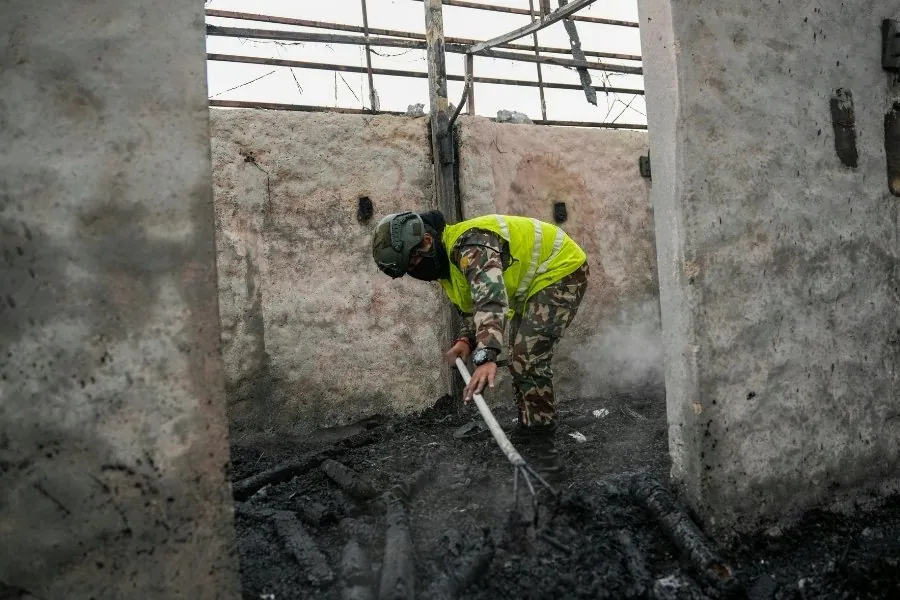
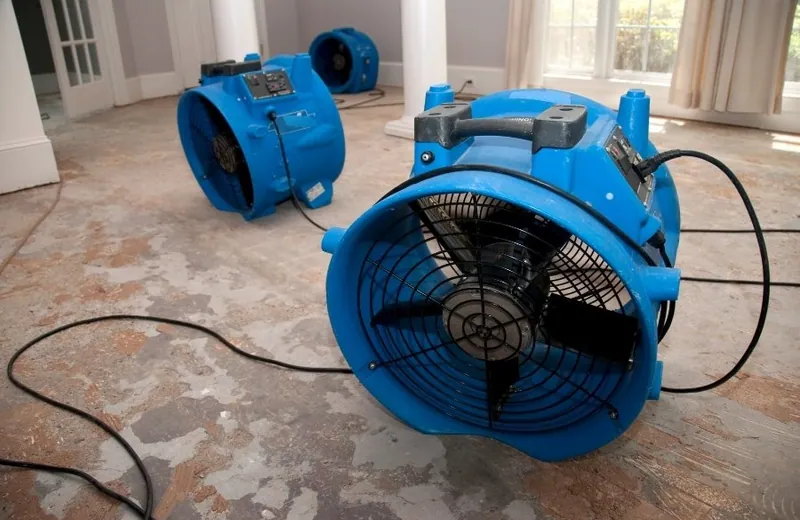
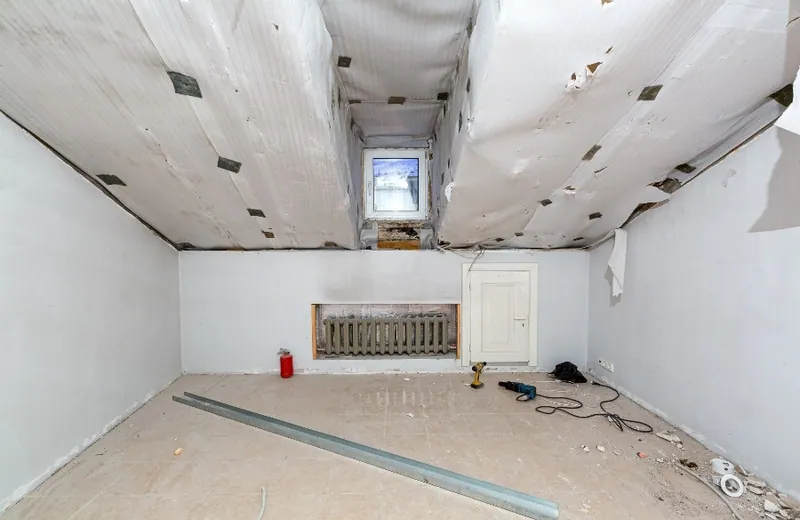
Recent fire-damage-restoration Projects in Oklahoma City, OK
Fire Damage Restoration FAQs for Oklahoma City
How much does fire damage restoration cost in Oklahoma City?
Most projects fall between about $3,500 for smoke-only cleanup and $120,000 or more for structural fires, and major losses in large or historic homes can go higher. A contained kitchen fire usually runs $6,000–$18,000. Your actual cost depends on structural damage, how much firefighting water was used, the type of soot, and whether your home needs asbestos or lead testing. For most homeowners, insurance covers the bulk of it after the deductible. We bill your insurer directly, and financing is available for deductibles or uncovered work.
How quickly should I call after a fire?
Call as soon as the fire department releases the property, ideally the same day. In Oklahoma City's humid summers, mold can start growing in wet drywall and insulation within 24–48 hours, and acidic soot from burned synthetics begins etching metals, glass and electronics within days. Most insurance policies also require reasonable steps to prevent further damage, like board-up, tarping and water extraction. We answer 24/7, so there's no reason to wait until Monday.
How long does fire damage restoration take?
Emergency stabilization happens the same day we arrive. Cleaning, drying and deodorizing usually take three days to two weeks. Smoke-only jobs, like wildfire infiltration in a standing home, are often done within a week. Structural rebuilds take anywhere from a few weeks to several months, depending on the scope, permit approvals, inspections and material availability. Historic district reviews in neighborhoods like Heritage Hills and HOA approvals in Edmond or Yukon can add time, so we start those processes early.
Do I need permits to repair fire damage in Oklahoma City?
Usually, yes. Cleaning and drying don't require permits, but rebuilding framing, wiring, gas lines or HVAC does. In Oklahoma City, permits go through Development Services. Edmond, Norman, Moore, Midwest City and other suburbs run their own offices. Electrical, plumbing and mechanical work must be done by CIB-licensed tradespeople, and many jurisdictions require a gas line pressure test before service is restored. Historic districts require a Certificate of Appropriateness for exterior changes. We handle the permits and inspections for you.
Will you work directly with my insurance company?
Yes. We bill your insurance company directly and coordinate with your adjuster from the first visit. We provide photo documentation, moisture readings, contents inventories and a line-item scope that matches what adjusters expect. We'll also help you keep track of ALE deadlines and contents requirements. You're still responsible for your deductible, and financing is available for that. If you've hired a public adjuster, which Oklahoma allows, we'll work with them as well.
My home didn't burn, but it smells like smoke after a grass fire. Is that damage?
It can be, and it's often covered. Wind-driven wildfires in places like Choctaw, Harrah, Newcastle and east Edmond push smoke and fine ash through soffit vents, attic openings and HVAC intakes. Residue can settle in insulation and ductwork, and the odor keeps coming back, especially on humid days. Professional cleaning usually includes HVAC and duct cleaning, attic assessment, HEPA surface cleaning and odor neutralization. Document the smell and any visible ash, then call us before the residue sets in.
Can I clean soot myself?
For a very light film from a minor incident, careful cleaning may be enough. For anything more, DIY cleaning usually makes it worse. Wiping oily or synthetic soot with water and household cleaners smears it deeper into paint, grout and fabric, and it can make damage permanent that a professional could have reversed. Soot also contains fine particulates you shouldn't breathe. Professionals test the residue type first and use dry sponges and the right cleaners. Cleaning on your own can also make insurance documentation harder.
How can I lower the risk of a house fire in Oklahoma?
Focus on the risks most common here. Never leave cooking unattended, since kitchen fires are the top cause year-round. During ice storms and freezes, keep space heaters three feet from anything that can burn, and run generators outside, away from windows. Have older panels, especially Federal Pacific or Zinsco, evaluated by a licensed electrician. On acreage, clear dry grass and cedar from around the house and propane tanks before late-winter fire season. Follow county burn bans, and have chimneys inspected every year.
Serving Oklahoma City, OK & Nearby
Get Fire Damage Help Now, Day or Night
Every hour after a fire allows more water damage, soot corrosion and mold risk. Call us now and we'll secure your property, start drying and work with your insurance company for you.
- ✓24/7 emergency response with same-day board-up, tarping and water extraction
- ✓Direct insurance billing and ongoing coordination with your adjuster
- ✓Complete documentation for your claim, including photos, moisture logs and contents inventory
- ✓One team for fire, smoke, soot, water and structural rebuilding
- ✓Bonded and insured crews with more than 10 years of local experience
- ✓Financing available for deductibles and uncovered repairs
- ✓Permits, inspections and historic or HOA requirements handled for you
⚡ If the fire is still active or you smell gas, get out and call 911 first. Once the fire department clears the property, call us for immediate response.
Bonded • Insured